


-

Add: HeBei ShengShi HongBang Cellulose Technology CO.,LTD.
-

Email
13180486930@163.com -

CONTACT US
+86 13180486930

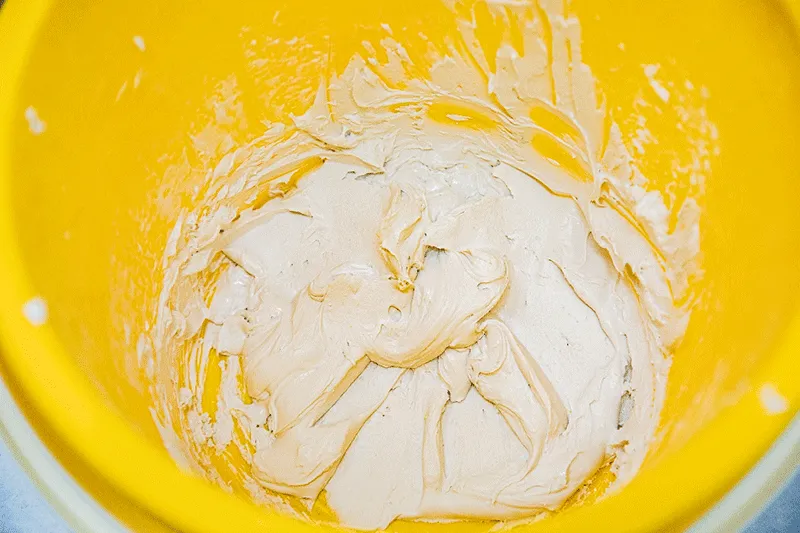


Hydroxypropyl methylcellulose, commonly abbreviated as HPMC, is a pivotal compound in various industries due to its multifaceted properties. Specifically, the variant HPMC K100 has become a critical ingredient in sectors like pharmaceuticals, construction, food, and cosmetics. As a seasoned SEO expert, providing insights into HPMC K100 aims to enhance understanding and offer readers a comprehensive analysis rooted in experience, expertise, authoritativeness, and trustworthiness. HPMC K100, distinguished mainly by its high viscosity and thickening capabilities, plays a monumental role in the pharmaceutical industry. Its use as an excipient is fundamental for producing controlled-release formulations. With years of experience in pharmaceutical product optimization, professionals recognize that HPMC K100’s uniformity and consistency contribute significantly to the stability and bioavailability of the active ingredients in medications. Clinical studies support this, highlighting how its gel-forming properties are crucial in prolonging drug release and improving patient compliance. In construction, HPMC K100 is indispensable for its adhesive and water-retentive characteristics. Construction experts acknowledge its value in enhancing the workability and performance of cement-based materials, such as tile adhesives, plasters, and mortars. Its ability to retain water ensures optimal hydration of cement particles, thereby improving the overall strength and durability of the structures. Seasoned builders and construction specialists emphasize that using HPMC K100 in cementitious applications results in smoother finishes and reduced cracking, showcasing its indispensable role in modern construction projects. The food industry benefits from HPMC K100's versatility as a dietary fiber and a stabilizer in a wide range of products. Nutritionists and food scientists trust its efficacy in improving the texture of gluten-free products, enhancing mouthfeel, and maintaining moisture. This results in a superior and longer-lasting product . Moreover, HPMC K100's function as a low-calorie fat substitute in processed foods addresses consumer demands for healthier alternatives without compromising taste or texture. Ongoing research and development in the food sector continue to demonstrate its potential in new applications, reaffirming its authority and reliability as a food additive. hpmc k100 In the realm of beauty and personal care, HPMC K100 is lauded for its ability to effectively improve the viscosity and stability of formulations such as creams, lotions, and shampoos. Cosmetic chemists and dermatologists have consistently relied on HPMC K100's innovation to deliver products that meet the highest standards of quality and safety. Its non-toxic and skin-friendly properties make it an ingredient of choice, enhancing product efficacy while ensuring consumer safety. The innovative applications of HPMC K100 across these diverse industries underline its significance and authority as a multipurpose compound. Its well-documented benefits and reliability across various professional use cases highlight its credibility. Trust is built not only through its proven technical merits but also by adhering to stringent quality and safety standards in manufacturing processes. A robust understanding of HPMC K100 is essential for professionals seeking to innovate and optimize product formulations effectively. Leveraging its unique properties can lead to pioneering solutions that cater to evolving consumer needs and industry demands. As industries continue to develop and refine applications for HPMC K100, maintaining an authoritative and informed perspective is crucial for staying competitive and meeting the complex challenges of today's market landscape.
- 40000tons

Production
- 20+years

Experience
- 5000+㎡

Acreage

-
Polyolefin fibers, especially polypropylene fiber , have become increasingly popular in various industries due to their impressive qualities and versatile applications. From textiles to automotive and industrial applications, polypropylene fiber suppliers are capitalizing on the demand for this durable, cost-effective material. But what exactly is polypropylene fiber ? And how does it compare to other fibers in terms of price and quality? In this guide, we’ll take a closer look at polyolefin fiber , particularly polypropylene fiber , and explore its uses, benefits, and pricing, along with insights into where you can find the best polypropylene fiber suppliers . What Is Polypropylene Fiber? Polypropylene fiber, a type of polyolefin fiber , is one of the most widely used synthetic fibers due to its high strength, resistance to moisture, and chemical stability. It is made from the polymerization of propylene monomer and has a low density, making it lightweight and cost-efficient. Polypropylene fiber is often used in textiles, ropes, mats, geotextiles, and nonwoven fabrics. What sets polypropylene fiber apart from other synthetic fibers like polyester or nylon is its excellent resistance to acids, bases, and other chemicals. It also has a relatively low melting point, making it suitable for applications that require heat resistance. Additionally, it is highly resistant to staining and odor, making it a popular choice for use in the medical and hygiene industries. The low moisture absorption makes it an ideal material for manufacturing items exposed to high humidity or outdoor environments. The versatility of polypropylene fiber has allowed it to expand into various industries beyond textiles. It’s commonly found in the automotive sector, where it is used in carpeting, upholstery, and car seat covers. The fiber is also used in packaging materials and food containers due to its excellent chemical resistance and non-toxicity. The Benefits of Polypropylene Fiber The increasing demand for polypropylene fiber across different sectors can be attributed to its numerous benefits. It is lightweight, durable, and relatively inexpensive compared to many other materials. Additionally, polypropylene fiber is highly resistant to wear and tear, making it perfect for items that need to withstand high levels of friction. One of the most significant advantages of polypropylene fiber is its ability to resist moisture absorption. Unlike natural fibers like cotton, which can retain water and lead to mildew or rot, polypropylene fiber remains unaffected by water. This makes it an ideal choice for outdoor and marine applications, including ropes, nets, and outdoor furniture coverings. The material is also resistant to most chemicals, including acids, bases, and solvents. This makes polypropylene fiber an excellent choice for industrial applications where exposure to harsh chemicals is common. For instance, it is widely used in making protective clothing for workers in chemical plants and factories. Moreover, polypropylene fiber is not only durable and resistant to chemicals, but it is also cost-effective. Compared to other fibers, such as nylon or polyester, polypropylene fiber price is relatively low, which makes it an attractive option for manufacturers and consumers alike. This affordability, combined with its robust qualities, has contributed to the rise in its use in industries ranging from healthcare to automotive. Polypropylene Fiber Suppliers and Where to Find the Best Deals As the demand for polypropylene fiber continues to rise, finding reliable polypropylene fiber suppliers becomes crucial for businesses looking to source quality materials at competitive prices. There are several suppliers globally that offer polypropylene fiber for various applications, but it’s essential to choose one that offers a balance of quality and price. When searching for polypropylene fiber suppliers , it’s important to consider factors such as the supplier’s reputation, their range of available products, and their ability to deliver on time. Many suppliers offer polypropylene fibers in different grades, depending on the intended use, so it's essential to select a supplier that provides fibers suitable for your specific needs. Online platforms are an excellent place to start when searching for polypropylene fiber suppliers . Websites like Alibaba, Global Sources, and Made-in-China list various manufacturers and suppliers of polypropylene fiber from around the world. Many of these suppliers provide a range of pricing options, depending on the volume of your order, making it easy to find deals that fit your budget. Furthermore, attending trade shows and industry expos is a great way to connect with potential suppliers and learn about the latest advancements in polypropylene fiber technology. These events often showcase new products and provide opportunities to meet suppliers face-to-face, which can lead to more reliable business relationships. Factors That Affect Polypropylene Fiber Price Understanding the factors that influence polypropylene fiber price is essential when sourcing the material for your business. While polypropylene fiber is generally considered an affordable option, prices can fluctuate depending on various factors, such as raw material costs, production processes, and demand. The price of polypropylene fiber is closely tied to the cost of propylene, the primary raw material used in its production. Changes in the price of crude oil or other feedstocks can impact the cost of propylene and, consequently, the price of polypropylene fiber . Additionally, the production method and technology used by a manufacturer can affect the price. Suppliers using more advanced production processes may offer higher-quality fibers but at a premium cost. Bulk orders can also play a significant role in the overall price of polypropylene fiber . When ordering large quantities, buyers may receive significant discounts, reducing the overall cost per unit. Therefore, for businesses looking to source polypropylene fiber in large quantities, negotiating a bulk order deal with suppliers can be an effective way to lower costs. Another factor influencing polypropylene fiber price is geographical location. Prices can vary depending on the supplier’s region, as transportation and logistics costs can add to the overall cost of goods. Suppliers in regions with more affordable shipping options may offer more competitive pricing, especially for international buyers. Common Applications of Polypropylene Fiber Polypropylene fiber is incredibly versatile and can be used in a wide range of applications across various industries. Its durability, low cost, and resistance to water and chemicals make it an ideal choice for manufacturing productsThe broad range of applications demonstrates why polypropylene fiber continues to be in high demand. Its ability to meet the needs of industries ranging from healthcare to automotive makes it a go-to material for many manufacturers. polypropylene fiber FAQs What is polypropylene fiber? Polypropylene fiber is a synthetic fiber made from the polymerization of propylene monomer. It is lightweight, durable, and resistant to moisture and chemicals. It is widely used in textiles, industrial products, and medical applications due to its affordability and superior qualities. What are the benefits of using polypropylene fiber? Some of the benefits of polypropylene fiber include its resistance to moisture and chemicals, lightweight nature, high durability, and relatively low cost. It’s widely used in textiles, automotive interiors, and medical products due to these advantages. How can I find reliable polypropylene fiber suppliers? To find reliable polypropylene fiber suppliers , it is recommended to search online platforms such as Alibaba or Made-in-China. Attending industry trade shows is another great way to connect with suppliers. Ensure the supplier has a reputation for quality and timely delivery. What factors affect the price of polypropylene fiber? The price of polypropylene fiber is influenced by the cost of raw materials (like propylene), production processes, order volume, and geographical location. Bulk orders and efficient logistics can help lower the overall price. What are some common uses of polypropylene fiber? Polypropylene fiber is commonly used in textiles (like carpets and upholstery), automotive products (such as car seat covers), medical products (like surgical gowns), and outdoor items (such as ropes and mats). Its versatility makes it a popular choice across many industries.
-

Hydroxypropyl distarch phosphate (HDP) is an essential modified starch used across a variety of industries , from food production to pharmaceuticals. Its unique properties make it a preferable choice for manufacturers looking to improve the texture, stability, and shelf-life of their products. This article delves into the multifaceted benefits and applications of HDP, drawing on the expertise of industry professionals and real-world experiences to provide a comprehensive understanding. At its core, hydroxypropyl distarch phosphate is a chemically modified starch made by introducing hydroxypropyl groups into the starch molecule. This modification grants the starch increased stability against heat, acid, and shear, making it invaluable especially in processes involving high temperatures or high shear mixing. For food scientists and manufacturers aiming to enhance the quality of processed foods, HDP offers several advantages. It significantly improves the texture and mouthfeel of culinary products. In sauces and gravies, for example, HDP functions as a thickening agent that withstands the rapid heating and cooling cycles often encountered during production or usage. The stability provided by HDP ensures that products retain their desirable consistency over time, thereby extending shelf life and maintaining consumer satisfaction. Moreover, HDP's compatibility with other ingredients is a significant boon for food formulation. It allows for seamless integration into a wide array of recipes, providing uniformity and consistency without compromising flavor or aroma. From baked goods that require moisture retention to dairy products needing a specific creamy texture, the versatility of HDP is crucial. The expertise in producing hydroxypropyl distarch phosphate extends beyond its functional benefits. Producers must adhere to stringent safety and quality standards to ensure that the modified starch is safe for consumption. Regulatory bodies such as the FDA and EFSA approve the use of HDP within specific limits, attesting to its safety when used accordingly. Expert manufacturers implement rigorous quality control processes, analyzing each batch to affirm compliance with these standards, thereby instilling trust in their product. hydroxypropyl distarch phosphate When addressing the pharmaceutical industry, HDP is especially important. It serves as a disintegrant in tablet formulations, aiding in the efficient release of active ingredients once ingested. This functionality is vital for the efficacy of many medications, where precise control over disintegration time affects overall therapeutic effectiveness. Real-world experiences emphasize the transformative power of HDP in product development. Experienced R&D teams often recount how the introduction of this starch into their formulations allowed them to overcome significant challenges, such as achieving the desired viscosity in low-temperature processing or stabilizing emulsions where traditional starches failed. Establishing trustworthiness in HDP's use involves comprehensive documentation and transparency about the sourcing, processing, and application methodologies. Industry leaders in starch modification frequently engage in partnerships with academic institutions and research organizations to remain at the forefront of innovation and application. In practice, using HDP requires understanding its interaction with other components in formulations. Experts recommend starting with small experimental batches to fine-tune the quantity needed for desired outcomes. Experience has shown that while HDP is robust, achieving perfect results may require some tailoring based on the specific matrix in which it is used. In conclusion, hydroxypropyl distarch phosphate is much more than just a modified starch; it's a cornerstone additive that underpins the efficiency and quality of numerous products across diverse industries. Its verified safety, coupled with substantial expert backing, renders it a trustworthy component in the relentless pursuit of product excellence. By leveraging both the experience and profound expertise surrounding HDP, manufacturers can significantly enhance the quality, safety, and appeal of their offerings, ensuring consumer satisfaction and fostering long-term success.
advantages
-

200000 Viscosities
Excellent product
We can produce pure products up to 200,000 viscosities
-

40000 tons
High yield
We don’t stop production all year round, and the annual output can reach 40,000 tons
-

24 hours
Quality service
We provide 24-hours online reception service, welcome to consult at any time
———— Inquiry Form
Schedule A services
-
 glass_filled_pp
Oct . 25, 2025
Hydroxypropyl methylcellulose (HPMC) is increasingly gaining popularity in various industries, from -
 methyl_hydroxyethyl_cellulose_price
Oct . 25, 2025
Fiberglass for Concrete Mix Enhancing Strength and Durability Concrete is one of the most widely use -
 hydroxypropyl_starch_phosphate_in_hair_products
Oct . 25, 2025
Exploring the molecular weight of hydroxypropyl methylcellulose (HPMC) unveils a nuanced aspect ofte


